Filing a trademark for your dropshipping store
Many entrepreneurs mistakenly view dropshipping as a simple reselling venture that functions outside the realm of formal intellectual property. In reality, transitioning from a generic store to a defensible digital asset requires proactive protection and legal foresight, which we facilitate through our expert guidance on securing your brand in the European market.
Dropshipping: From generic store to brand
Scaling a dropshipping business without formal rights turns your storefront into a disposable target rather than a long-term asset, as detailed in our comprehensive guide to registering a trademark for ecommerce in Europe. We will now examine why specific safeguards are essential for your store’s survival and how to define the assets that constitute your competitive advantage.
Why dropshippers need trademark protection

When your store gains traction, it inevitably attracts copycats who mimic your product descriptions, visuals, and marketing reach to siphon off your traffic. Without a registered trademark—which you should verify through a clearance search to ensure availability—you lack the legal leverage to force marketplaces like Amazon or Meta to remove infringing actors, leaving your margins and customer trust vulnerable to exploitation.
Lack of brand protection creates significant business risks that go beyond simple competition:
- Loss of traffic and revenue: Unchecked competitors dilute your brand presence, making it difficult for customers to distinguish your legitimate store from imitation accounts.
- Legal liability: Operating without formal protection leaves you vulnerable to costly disputes, potential cease-and-desist orders, or unexpected store closures due to third-party IP claims.
- Platform instability: Major advertising and marketplace platforms prioritize registered entities, meaning you may face restricted access or account suspensions if you cannot prove ownership during a dispute.
For those interested in how this applies to different digital models, you may also find our insights on trademarking a brand name in Europe relevant to your long-term strategy. To begin your journey toward full legal security, learn more about our registration services.
Related topic reference: Trademarking a podcast name in europe.
Defining your brand identity assets
Transitioning from a transient dropshipping model to a defensible business requires shifting focus from mere product listing to the curation of proprietary intellectual property. A robust brand identity transforms a generic store into a sellable asset, as registered intangible property significantly impacts business valuation during potential exit strategies.
To build a foundation that withstands scrutiny, you must distinguish between assets eligible for protection and those that remain commercially generic:
- Brand Name and Slogans: Distinctive verbal identifiers that serve as your primary market anchor.
- Visual Identity: Logos, color palettes, and typography that establish aesthetic consistency.
- Product Presentation: Unique packaging or specific trade dress that prevents third-party mimicry of your creative presentation.
Before investing in these assets, verify their availability. Conducting a trademark registration in the EU involves a rigorous clearance search using tools like Brandr Legal to ensure your choices do not conflict with existing rights registered in the EUIPO database. A typical oversight for new sellers is filing for a name already claimed by a competitor in a related Nice Classification; early verification prevents costly application rejections. Please note: this content is for informational purposes only and does not constitute individual legal advice.
Major risks for dropshipping store owners
Operating without legal ownership of your brand identity exposes your store to severe liabilities, ranging from sudden platform bans to total loss of your business reputation due to unforeseen infringement claims. We will now examine the realities of these legal risks, specifically addressing how to handle platform-driven disputes and the dangers of accidental trademark infringement.
The nightmare of trademark infringement claims
As a dropshipping store gains traction, the absence of a registered brand identity creates a severe vulnerability to infringement claims. Without prior trademark clearance searches, store owners often inadvertently adopt names or logos already protected by third parties. Under the EUTMR and the Digital Services Act, registered rights holders can force the removal of infringing content, effectively paralyzing operations overnight.
Case Study: The Hidden Costs of Mid-Campaign Rebranding
Consider a store that scaled a successful product line under an unregistered name. Upon receiving a cease-and-desist letter from a competitor with prior rights, the owner was forced to pivot immediately. The fallout extended beyond mere legal fees: the business suffered a total loss of pixel data, historical SEO rankings, and established social proof. Ultimately, the cost of this forced transition far exceeded the investment required for trademark registration in the EU.
Marketplaces and ad platforms prioritize compliance to mitigate their own legal risk (source: EUR-Lex). When an infringement claim is validated, these platforms often trigger account suspensions, treating the unregistered store as a liability.
Supply chain and platform IP disputes

When drop shipping operations trigger intellectual property disputes, major platforms like Amazon or Shopify rely on automated enforcement protocols to manage their liability under the EU e-Commerce Directive. A trademark registration in the EU acts as a defensive shield, granting you the legal standing to challenge infringement reports through official platform brand-protection portals. Consider the following distinction in how platforms manage these disputes:
- Without a Registration: You are often treated as an anonymous vendor. Reinstatement requires proving your innocence through prolonged, non-specialized support queues, during which your revenue remains frozen.
- With a Registration: You gain access to “Brand Registry” tools. These provide a verified identity on the platform, allowing you to proactively report unauthorized copycats and respond to bad-faith complaints with documented legal authority.
Disclaimer: While a registration is a prerequisite for advanced brand-protection tools, it does not guarantee the outcome of every platform dispute, as each marketplace maintains its own internal policies regarding content moderation.
The rewards of registered store branding
Beyond legal defense, the process of formalizing your identity offers substantial strategic advantages for your business. We will now examine how professional branding secures a competitive edge in the European market and increases your store’s valuation for an eventual exit.
Gaining competitive advantage in the EU
Securing a registered trademark grants your business a legally protected monopoly on your brand identity across all EU member states. This status provides a level of market exclusivity that unregistered competitors cannot replicate, effectively locking in your audience and signaling to both consumers and business partners that your store is an established, reliable entity. When you treat the act of filing a trademark for a dropshipping store as a core component of your market entry strategy, you gain a definitive competitive advantage that transcends simple product sourcing.
The difference between an unprotected store and a verified brand is measurable in both operational friction and consumer perception. The following comparison highlights how registered status fundamentally shifts your business trajectory:
| Metric | Unprotected Store | Registered Brand |
|---|---|---|
| Marketplace Trust | High risk of suspension | Verified protection status |
| Ad Spend Efficiency | Flagged due to brand similarity | Authorized, seamless operation |
| Competitive Barriers | Easy for copycats to mimic | Legal recourse against imitators |
| Business Valuation | Asset-light/High risk | Tangible intellectual property asset |
By establishing this legal moat, you gain the confidence to scale across new territories without the constant threat of being flagged for perceived brand infringement.
Increasing store valuation for exit
Expanding beyond tactical market protection, establishing a verifiable corporate identity is a prerequisite for successful exit scenarios. Professional investors rarely acquire a volatile collection of traffic; they prioritize legally insulated assets with long-term defensibility. By securing official trademark rights, you convert a dropshipping operation into a structured entity capable of surviving platform audits and third-party disputes.
Anton Polikarpov, Trademark Strategy Consultant at Brandr Legal: “A business without a trademark is a collection of traffic, not a company. Investors buy IP, they don’t buy dropshipping accounts.”
Strategic value is derived from the legal certainty that formal registration provides under the EUIPO framework. [1] A formal registration allows sellers to demonstrate clean title during due diligence, mitigating the risk that a buyer will face future injunctions. The following checklist outlines how trademark status impacts the transition process:
- Asset Verifiability: Official registration provides an entry in public databases, replacing subjective brand claims with objective legal standing.
- Platform Compliance: Professional legal counsel facilitates faster resolution of “brand gating” or infringement claims during potential buyer audits on platforms like Amazon or Meta.
- Due Diligence Efficiency: A clear IP portfolio reduces the documentation burden, preventing potential acquirers from flagging brand ownership as an unresolved liability.
Disclaimer: This content is for informational purposes only and does not constitute legal advice. Valuation outcomes depend on specific market conditions and the scope of protection secured; consult with a qualified trademark attorney regarding your unique exit strategy.
Actionable steps to secure your brand
Having established the intrinsic value of protected assets, we now outline the tactical roadmap required to formalize your brand. We will examine the registration process and the necessity of expert oversight in securing your market position.
The trademark registration roadmap
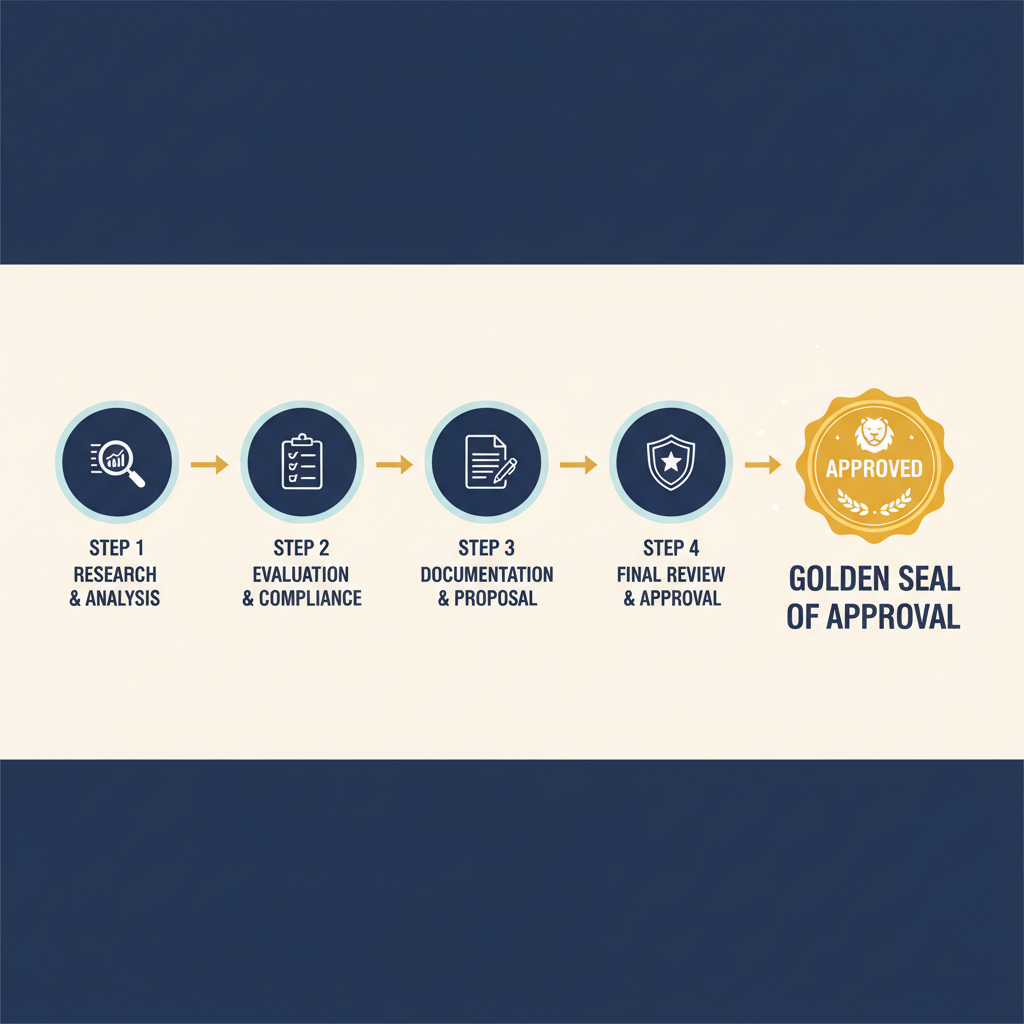
Securing your brand identity within the European Union requires a systematic approach to ensure that your chosen name and visual assets do not collide with existing rights. Navigating the legal landscape effectively is the best way to prevent costly administrative delays.
Registration Roadmap
- Clearance Search: Verify the availability of your mark in the EUIPO database to confirm it does not conflict with existing registrations.
- Strategic Nice Classification: Select the correct classes for your goods and services; for most e-commerce businesses, this typically includes Class 35 for retail services and additional classes for the specific products you sell.
- Filing the Application: Submit your request to the EUIPO, ensuring that your brand identifiers—including word marks and logos—are accurately represented to maximize the scope of your protection.
- Monitoring and Opposition Phase: Once filed, your application is subject to a period where third parties can challenge it; monitoring this phase allows you to address any potential disputes proactively.
Moving forward, the role of experienced counsel becomes critical in managing these procedural hurdles and navigating the complexities of IP filings, a topic we will explore in the next section.
Working with IP legal experts
While the trademark registration roadmap provides the necessary steps to navigate the European Union Intellectual Property Office (EUIPO) requirements, the process is far from a simple form-filling exercise. Many dropshippers treat trademark filings as a procedural hurdle, but in practice, the EUIPO serves as a rigorous regulatory gatekeeper. Attempting to manage this process without professional counsel often leads to what we call the “black hole” of procedural abandonment: applications stall due to incorrectly defined Nice Classifications, or worse, they trigger opposition from existing trademark holders that could have been identified through proper clearance searches.
Choosing to manage your application independently introduces a significant financial risk: the cost of correcting a failed or blocked filing almost always exceeds the investment of engaging experts to handle it correctly from the start. Professional oversight ensures that your brand protection is structured to withstand legal challenges, avoiding the common pitfalls of overly broad specifications that leave your store vulnerable to third-party claims or refusal based on similarity conflicts.
In my two decades of protecting intellectual assets, I have seen far too many entrepreneurs lose their primary distribution channels because they treated a trademark as a commodity rather than a legal instrument. Getting it right the first time is not just a strategic advantage; it is the most efficient way to preserve your capital.
We leverage extensive knowledge of European IP law to ensure that your application is drafted with precision, securing the broadest defensible protection for your specific niche. By entrusting your trademark registration in the EU to professionals, you create a robust legal shield that allows you to scale your dropshipping venture with confidence, ensuring you are ready to secure your digital asset today.
For help with this task, use the Trademark registration in the EU service.
Secure your digital asset today
True brand security demands that you move beyond treating your store as a transient dropshipping venture; it requires building a defensible legal foundation that creates lasting value. For a comprehensive overview of how to integrate IP strategy into your broader business operations, I recommend you review our authority guide on registering a trademark for ecommerce in Europe. Remember that intellectual property rights are versatile assets that evolve with your growth, as seen in our guide on protecting media and content identities, which demonstrates how these rights scale far beyond simple retail. When you are ready to stop managing risk and start building equity, contact the team at Brandr Legal to begin filing a trademark for a drop shipping store and secure your digital future today.
Frequently Asked Questions
Can I use the same trademark registration to cover both my dropshipping store name and my private label products?
In the European Union, a trademark registration is defined by the Nice Classification system, which categorizes goods and services. To ensure full protection, you must carefully select the classes that cover your specific business activities:
- Class 35: This is the essential class for dropshipping store owners, covering the retail services of selling products to consumers.
- Product Classes (e.g., Class 25 for clothing): If you are creating a private label brand, you need additional protection for the goods themselves to prevent others from manufacturing or selling items under your brand name.
Registering your store name under Class 35 protects your identity as a retailer, while registering your logo or product name under specific product classes protects your unique merchandise. Brandr Legal can assist you in identifying the correct classes to ensure your Trademark registration in the EU provides comprehensive coverage.
What happens if I receive an opposition notice during my EU trademark application?
An opposition is a formal procedure where a third party claims your application conflicts with their existing intellectual property rights. If this occurs, the EUIPO will notify you, and a cooling-off period is often initiated to allow for potential negotiations.
Ignoring an opposition notice is dangerous, as it can lead to the permanent rejection of your application and the loss of your filing fees. Seeking professional guidance immediately is crucial to determine if the opposition is valid or if it is a tactical move by a competitor. Our team can help you analyze the strength of the opposition and devise a defense strategy or settlement agreement to protect your interests.
Is an EU trademark valid in the UK, or do I need separate protection?
Following the UK’s departure from the European Union (Brexit), an EU trademark (EUTM) registration is no longer valid in the United Kingdom. The EUTM covers all 27 EU member states, providing a unified registration process for that specific jurisdiction.
If your dropshipping business serves customers in the UK, you must file a separate application with the UK Intellectual Property Office (UKIPO) to secure protection there. Strategically, many ecommerce brands register both an EUTM and a UK trademark to ensure complete brand security across the European market. It is highly recommended to consult with an IP attorney to plan a multi-jurisdiction filing strategy that aligns with your store’s target regions.
How long does the trademark registration process typically take in the European Union?
The timeline for EU trademark registration can vary based on several factors, but the standard process generally follows this trajectory:
- Examination Phase: After filing, the EUIPO examines your application for absolute grounds of refusal (e.g., lack of distinctiveness).
- Publication and Opposition: If accepted for publication, the mark enters a 3-month opposition period where third parties can challenge the registration.
- Registration: If no oppositions are filed and there are no objections from the EUIPO, the mark is typically registered within 4 to 6 months.
Complications, such as objections from the EUIPO or opposition from competitors, can significantly extend this timeline. Using a professional service helps ensure your application is technically sound from the start, minimizing the risk of unnecessary delays.
Does trademark registration protect me against suppliers who might use my brand name?
A trademark registration gives you the legal right to prevent others from using a confusingly similar sign for identical or related goods and services in the EU. If a supplier begins using your brand name without authorization, your trademark serves as a powerful legal lever.
However, it is vital to have clear written agreements with your suppliers, including clauses regarding intellectual property rights. A registered trademark is your ultimate shield; it allows you to issue cease-and-desist letters, report infringements to platforms, and enforce your exclusivity in court. Without a registered mark, you would face an uphill battle proving your prior rights in a legal dispute, which is often prohibitively expensive for small and medium-sized businesses.