Protecting Your Creative Assets in the Digital Age
Discovering that your unique aesthetic has been hijacked by lookalike accounts is a frustrating reality for many creators today. I will explain why proactive legal steps are essential for protecting your designs from copycats on Instagram while scaling your brand across the European market.
Linking Logo Copyright to EU Trademarks
To secure your digital presence, you must recognize the distinction between automatic rights and formal registration. We will now examine how trademark registration in the EU provides the necessary leverage that copyright alone often lacks.
Copyright versus Registered Trademark Rights
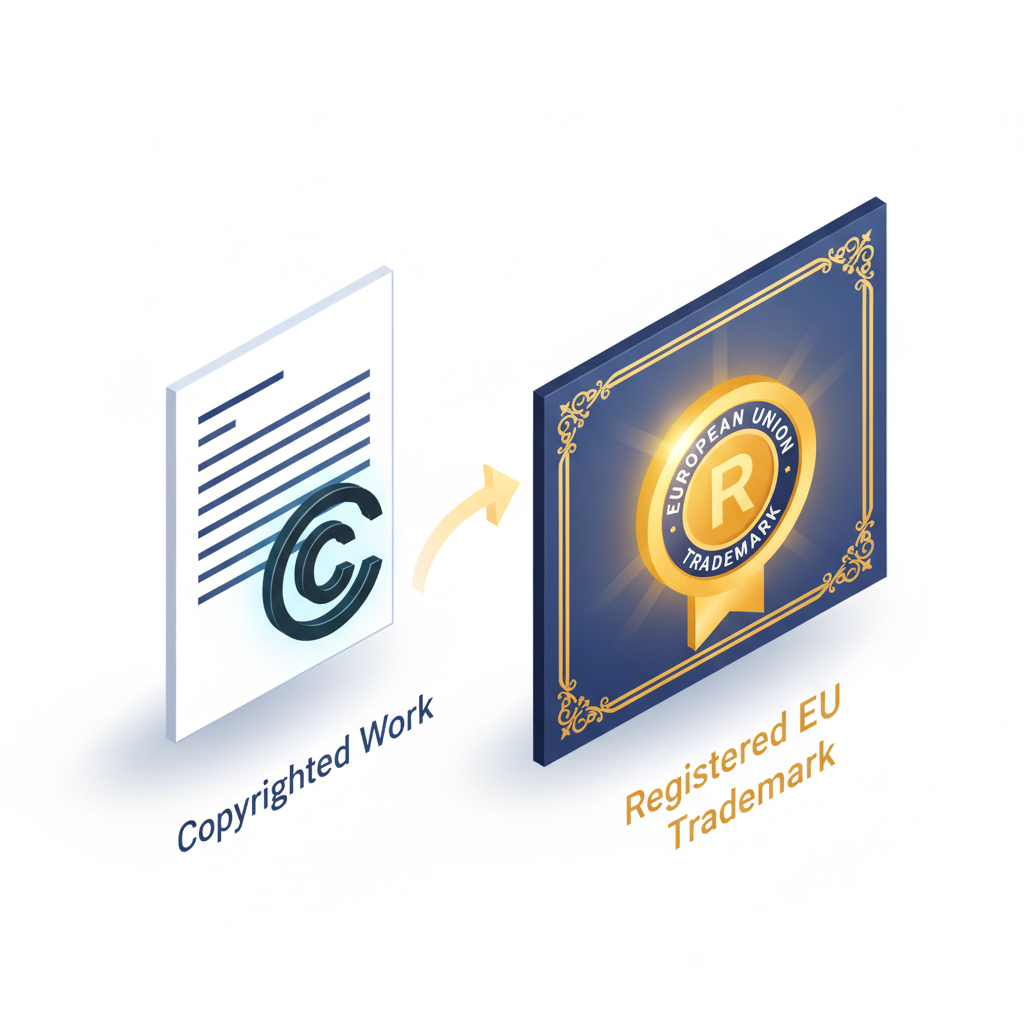
Many creators mistakenly rely on the “automatic” nature of copyright, assuming it offers sufficient protection the moment a design is published. While copyright protection is automatic upon creation, it is often a “weak” enforcement tool; it places the entire burden of proof on the creator to demonstrate original authorship and the exact date of creation. In the context of global platforms, this can be an administrative nightmare, whereas a registered EU trademark provides a clear, objective legal presumption of ownership across the European Union.
Registered rights shift the narrative from a defensive struggle to an offensive advantage. When you hold a certificate from the EUIPO, you possess a legal presumption of ownership that serves as a powerful tool for brand enforcement and takedowns.
| Feature | Copyright | Registered EU Trademark |
|---|---|---|
| Scope of Protection | Specific creative expression only. | Brand identity and commercial source across all 27 EU states. |
| Registration Requirement | Automatic; however, formal registration is often required for litigation in certain jurisdictions. | Mandatory filing with the EUIPO. |
| Burden of Proof | On the creator to prove authorship and date (subjective). | Presumed ownership via registration certificate (objective). |
Relying on copyright for public-facing design enforcement is often considered “weak” because platforms prioritize objective evidence. A registration number is an undeniable fact, which is why securing your rights through formal registration is the most effective way to prevent digital copycats from exploiting grey areas in intellectual property law.
Related topic reference: Defining authorship for AI generated images in the EU.
Why Copyright Fails on Social Media
While automatic copyright offers a foundational layer of protection for original creative work, it often lacks the procedural weight required for rapid enforcement on visual platforms. In many jurisdictions, such as the United States, formal copyright registration is a prerequisite for litigation, meaning that mere “automatic” existence of a work is insufficient for effective legal action. When creators face unauthorized reproduction, relying solely on an assertion of “originality” can trigger protracted internal reviews that fail to curb ongoing harm.
Expert Insight: The Registration Gap on Instagram
Meta’s automated reporting systems are tuned for high-volume processing. Claims based solely on copyright are often flagged as “subjective disputes,” leaving moderators to determine authorship without clear evidence. In contrast, providing a Trademark Registration number shifts your report from a claim of opinion to a verified legal fact. Platforms prioritize registered identifiers because they provide objective, third-party confirmation of rights, allowing for faster intervention without requiring a complex analysis of fair use or creative intent.
For those focused on protecting their designs from copycats, the evidentiary burden is the primary obstacle. Without formal registration, you are often forced to present extensive metadata and source files. A registered trademark effectively shifts this burden of proof. This is particularly vital in edge cases, such as identifying the commercial source of digital assets where copyright might be ambiguous, making Trademark registration in the EU a strategic asset for establishing clear brand boundaries.
Disclaimer: Enforcement outcomes depend on platform-specific policies and the nature of the alleged infringement. This overview is for educational purposes and does not replace professional legal guidance regarding specific intellectual property disputes.
Related topic reference: Legal risks when selling digital products in EU copyright rules.
Enforcement Strategies for Instagram Content
Possessing legal standing is useless without knowing how to silence copycats on the platforms where your brand lives. We will now explore practical methods for navigating reporting forms and drafting formal demands.
Step-by-Step DMCA and IP Takedown
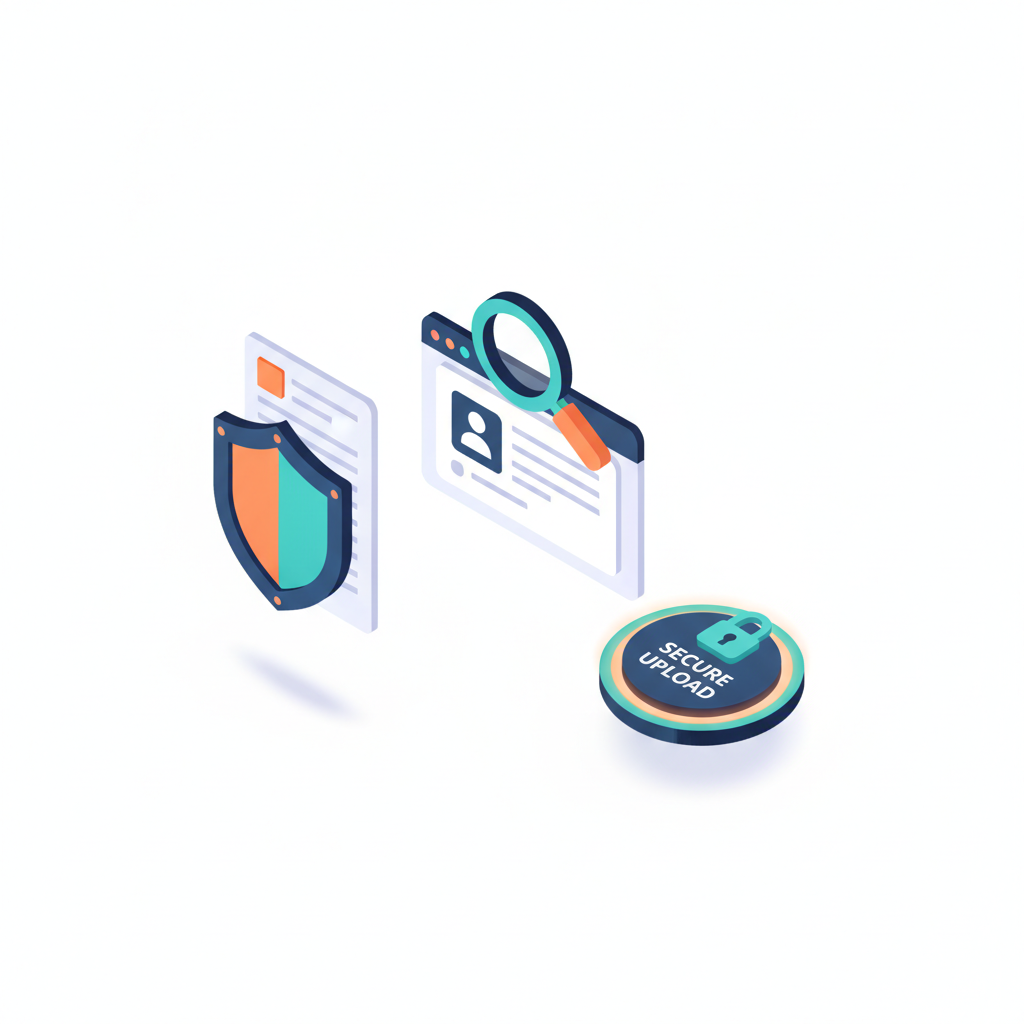
Navigating the enforcement ecosystem of Meta requires a precise understanding of their internal IP reporting infrastructure. Effectively managing a digital presence involves moving beyond simple flagging and utilizing the formal tools designed for intellectual property owners to secure their visual assets.
- Identify the Specific Infringement: Determine if the copycat is using our trademark (name or logo), copyrighted images, or a protected industrial design. Instagram provides separate paths for each, and selecting the wrong category can lead to an immediate rejection.
- Access the Meta IP Reporting Center: Use the official web-based form rather than the in-app reporting button. The web form allows for more detailed submissions and provides a tracking number for our case.
- Upload Verifiable Documentation: High success rates depend on the quality of our evidence. For trademarks, upload a PDF of our EUIPO registration certificate. For copyright claims, provide a direct link to our original post and, if available, a link to our official website where the design was first published.
- Submit a Clear Statement of Rights: In the description box, avoid emotional language. Use a factual tone: “We are the owners of EU Trademark No. [Number]. The reported account is using a confusingly similar logo for identical services in Class [Number].”
- Monitor the Case Status: Meta typically responds via email within 24–72 hours. If they request more information, respond promptly with the specific document requested, such as proof of our identity or business registration.
While platform tools are highly effective for clear-cut violations, more complex cases of brand imitation often require a direct legal approach to resolve the dispute permanently.
Related topic reference: The link between your logo copyright and EU trademark rights.
Drafting Effective Cease and Desist
While platform reporting tools offer a swift resolution, they often lack the formal legal weight required to stop a persistent infringer who simply moves to a new handle or website. A formal demand serves as a definitive bridge between a platform-level complaint and full-scale litigation, signaling that you are prepared to escalate the matter in a European court if necessary.
Drafting a professional demand requires more than just an expression of anger; it must be a structured legal instrument that establishes your ownership and precisely defines the violation. When protecting my designs from copycats on Instagram, I emphasize that the document must look like a precursor to a lawsuit, not a personal message. A letter sent under the letterhead of a qualified intellectual property attorney carries significant psychological and legal weight, often forcing a resolution without the need for expensive court proceedings.
- Clear Identification of Rights: Include specific registration numbers from the EUIPO or other relevant registries to prove standing immediately.
- Evidence of Infringement: Provide high-resolution screenshots and direct URLs of the infringing posts, stories, or profile elements.
- Specific Legal Basis: Cite relevant articles of the Regulation (EU) 2017/1001 to show that the claim is grounded in European Union trademark law.
- Clear Demands: Explicitly state the required actions, such as the immediate removal of content, a public apology, or the disclosure of sales figures for infringing merchandise.
- Strict Deadlines: Set a firm timeframe—usually 5 to 10 business days—for a response before further legal action is initiated.
- Preservation Demand: Order the infringer to preserve all records and data related to the unauthorized use of your work.
By shifting from emotional pleas to a structured legal approach, you demonstrate that your brand is a secured asset rather than an easy target. This level of professionalism is often the only way to silence sophisticated copycats who profit from the creative labor of others.
However, an effective defense does not end with a single letter, as infringers frequently operate across multiple digital fronts simultaneously.
Scaling Protection Beyond Social Platforms
Effective brand defense requires moving beyond social media settings to address threats across the wider web. We will examine how to monitor your assets globally and enforce rights across European borders.
Monitoring Your Brand Across Web

Securing your presence on social media is only the first step in a broader strategy for scaling protection beyond social platforms. Digital infringers rarely limit themselves to a single app; they often launch lookalike web stores or list counterfeit goods on major European marketplaces to capture your traffic and revenue.
To maintain control, you must shift from a reactive mindset to a proactive monitoring system that identifies threats before they gain momentum. Monitoring the web for the unauthorized use of your visual assets or brand name ensures that you can act while the infringement is still localized, preventing it from damaging your reputation across the entire European market.
- Automated Keyword Tracking: Utilize tools like Google Alerts or specialized brand monitoring software to receive notifications whenever your stage name, brand, or unique product titles are mentioned online.
- Reverse Image Searching: Regularly run searches using your primary designs or logo to find unofficial shops or blogs that may be using your assets without a license.
- Registry Monitoring: Keep a close eye on the EUIPO eSearch plus database to spot competitors attempting to register names that are confusingly similar to your own.
- Marketplace Scanning: Set up recurring searches on platforms like Amazon, eBay, and Etsy, looking for “inspired” designs that use your copyrighted elements to attract customers.
Proactive surveillance transforms your intellectual property from a vulnerable target into a defended perimeter.
Cross-Border Enforcement in Europe
While digital tools identify infringements, the efficiency of your response depends on the legal weight of your rights within the European Union’s regulatory framework. Monitoring your presence across the web reveals misuse, but enforcement often stalls when a copycat operates across different EU member states without a centralized legal instrument to compel action.
Enforcement Scenario: Registration vs. Non-Registration
Consider two creators facing a competitor in another EU state selling unauthorized replicas:
- The Unregistered Creator: Relies on copyright alone. Because copyright is territorial and subject to varying national interpretations, the designer must navigate fragmented legal systems. According to the European Union Intellectual Property Office (EUIPO), this often requires retaining local counsel in each jurisdiction to prove authorship and infringement, a costly and slow process.
- The EU-Trademark Holder: Exercises rights under trademark registration in the EU. Because this title covers all 27 member states simultaneously under Regulation (EU) 2017/1001, it acts as a unified proof of ownership. Most major online marketplaces and hosting providers accept this registration to process takedown requests across the entire bloc, bypassing the need for multi-jurisdictional litigation.
Centralized registration transforms cross-border enforcement from a fragmented legal battle into a streamlined administrative procedure. Linking your creative assets to a registered title provides the leverage necessary to block lookalike accounts and unofficial storefronts effectively. While legal outcomes depend on specific case facts—and registration does not guarantee successful enforcement in every instance—a centralized portfolio ensures that your legal defense remains as scalable as your business operations. Disclaimer: This content is for informational purposes only and does not constitute individual legal advice.
For help with this task, use the Trademark registration in the EU service.
Taking Control of Your Intellectual Property
Transitioning from a passive creator to a protected business owner requires moving beyond reliance on automatic rights and taking proactive legal steps. While the digital landscape is fraught with imitation, formalizing your brand through registration remains the only definitive way to secure the objective evidence needed to prioritize your claims in Meta’s reporting systems. By establishing a clear legal foundation, you transform your creative work from a vulnerable asset into a resilient commercial enterprise, ensuring that protecting your designs from copycats on Instagram and other global platforms is a manageable standard procedure rather than a constant crisis. If you are ready to secure your intellectual property across all 27 EU member states, our team is available to navigate the filing process and build your customized enforcement strategy.
Frequently Asked Questions
Can I copyright AI-generated images in the EU to protect them from theft?
The status of AI-generated content in the European Union is a complex and evolving area of law. Under current EU jurisprudence and the standards maintained by the European Union Intellectual Property Office (EUIPO), copyright protection is generally reserved for works that reflect the author’s own intellectual creation.
Because copyright requires human authorship, purely AI-generated outputs often fail to meet the threshold for protection. However, you may be able to claim copyright if you can prove that you exerted significant creative control over the final output, such as through substantial manual editing or iterative refinement. To protect your brand assets effectively, it is often more reliable to focus on Trademark registration in the EU for your brand names and logos, as these provide a clear legal framework for ownership that does not rely on subjective arguments about creative authorship.
How does an EU trademark simplify cross-border enforcement against copycats?
Operating across multiple European countries can be a logistical nightmare if you rely solely on individual national copyright laws, which vary significantly in their enforcement procedures. A registered EU trademark (EUTM) provides a unitary right across all 27 EU member states.
- Unified Jurisdiction: You can enforce your rights through a single registration rather than filing dozens of individual lawsuits.
- Customs Cooperation: Registered trademarks allow you to record your rights with customs authorities to block infringing goods from entering the European Single Market.
- Platform Priority: Marketplaces like Amazon, eBay, and social platforms prioritize EUTM registration numbers when processing takedown requests, significantly reducing the bureaucratic hurdles often associated with proving “copyright ownership” in foreign jurisdictions.
Does my logo’s copyright automatically cover my brand identity on social media?
No. While copyright protects the artistic expression of your logo, it does not function as a source identifier. In the eyes of law enforcement and social media platforms, there is a fundamental difference between a creative work (copyright) and a brand indicator (trademark).
Copyright exists to protect the work from being copied, but Trademark exists to prevent consumer confusion. If a competitor uses a logo that is “confusingly similar” to yours but not a direct copy, copyright may not apply, but your trademark rights would. Without a registered trademark, you lack the primary legal tool required to force platforms to remove accounts that are impersonating your brand or confusing your customers.
What is the ‘Nice Classification’ and why does it matter for my design business?
The Nice Classification is an international system used to classify goods and services for the purposes of trademark registration. When you apply for Trademark registration in the EU, you must specify exactly which classes your business operates under (e.g., Class 25 for apparel, Class 42 for graphic design services).
Choosing the correct classes is critical because your protection is limited to the categories you register in. If you only register your brand for clothing but someone starts using your name for digital agency services, your registration might not protect you. An expert attorney can help ensure your classification strategy is broad enough to prevent competitors from piggybacking on your brand’s reputation in related markets.
If I suspect someone is infringing on my IP, should I contact them directly before legal action?
Reaching out directly can be risky. If you contact a copycat without clear legal standing, you may appear unequipped or, worse, inadvertently disclose your lack of formal registration, which might embolden the infringer. Professional enforcement generally follows a strict hierarchy:
- Internal Audit: Confirm your registration status and collect evidence of the infringement.
- Platform Reporting: Utilize the official IP reporting tools using your registration details.
- Cease and Desist: A formal letter issued by a legal professional. This adds a layer of objective authority to your claim, signaling that you are prepared to pursue litigation if the infringement continues.
Always consult with an IP attorney like Anton Polikarpov before initiating direct contact to ensure your communication complies with relevant legal standards and does not jeopardize your future claims.