Securing Your Digital Creations in Europe
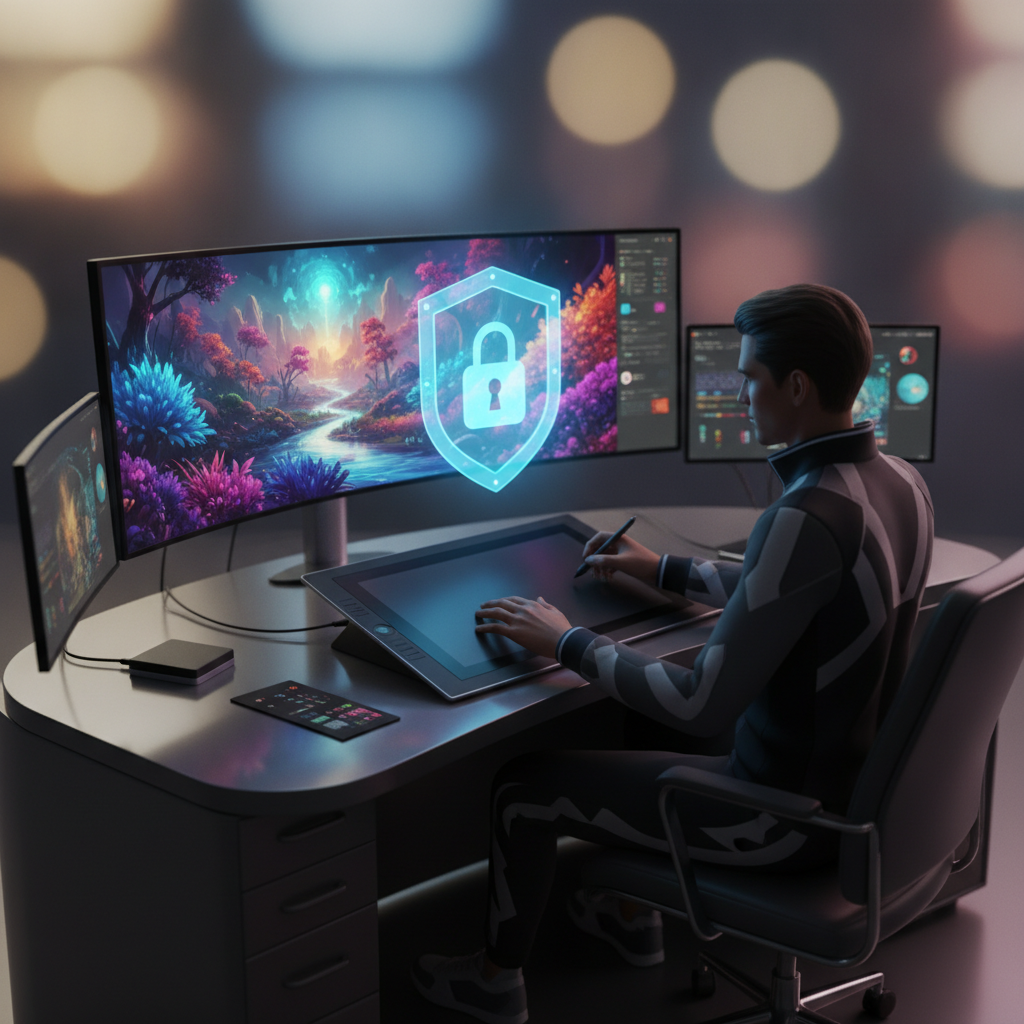
Digital artists often struggle with the unauthorized use of their work, yet many overlook that European author’s rights protect creations automatically upon inception without mandatory filing. This guide examines how to copyright digital art in Europe by transforming passive protections into enforceable legal assets.
As the line between human and machine creativity blurs, understanding the legal standing of non-human content becomes the first hurdle in securing your portfolio.
Can I copyright AI generated images in the EU?
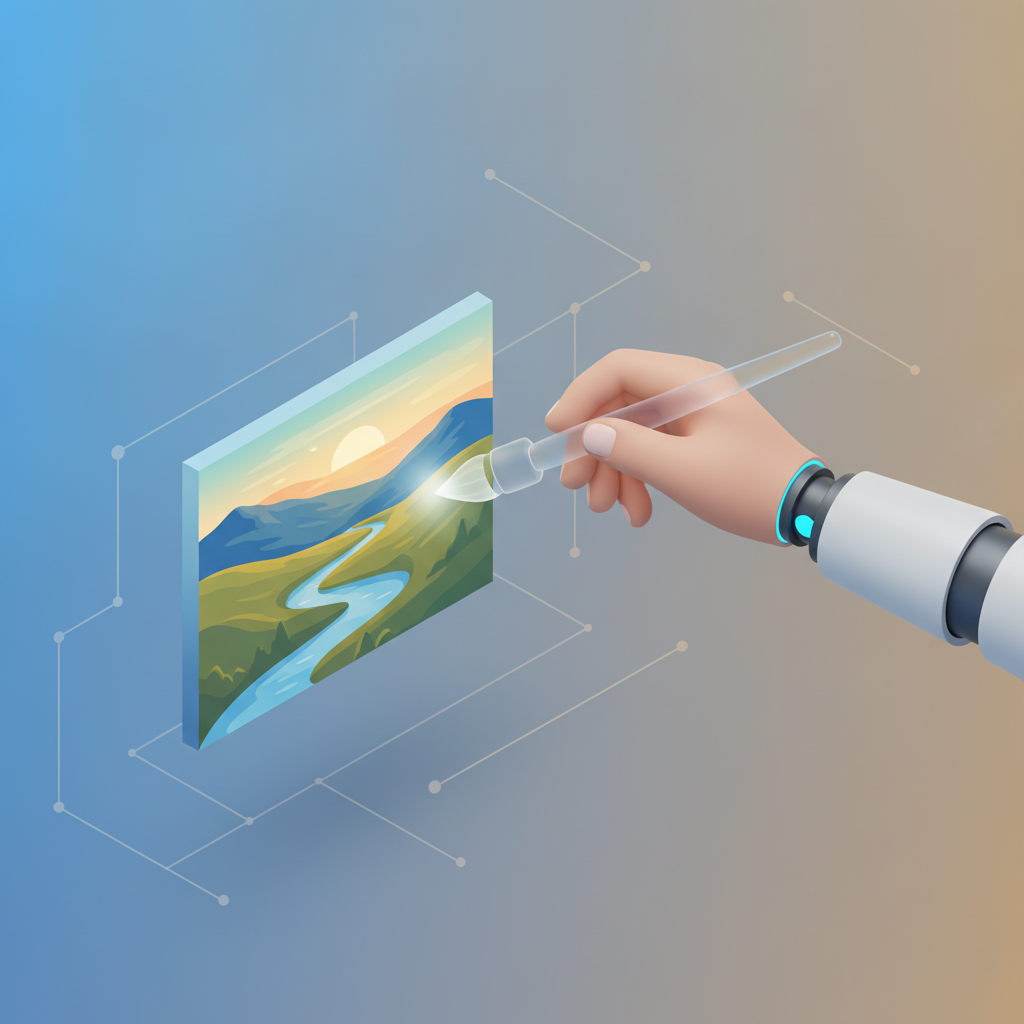
European law requires a work to be the author’s own intellectual creation to qualify for protection, a standard that creates specific challenges for those using generative tools. We will examine the required authorship thresholds for AI images and how to safeguard hybrid works.
Before claiming ownership, one must determine if the level of human creative control meets the specific legal criteria defined by European courts.
Defining Human Authorship Thresholds
To secure protection for digital works under the European Union’s copyright framework, the creator must demonstrate that the piece is an “original intellectual creation.” Per the Court of Justice of the European Union (CJEU) in cases such as Infopaq (C-5/08), this requires that the work reflects the author’s personality through free and creative choices. In digital art, simply providing a prompt to an AI model rarely suffices, as the law distinguishes between technical commands and the “stamp of the author’s spirit” in the final output.
Legal eligibility often hinges on demonstrable human intervention. Rather than relying on automated generation, creators should focus on specific creative milestones. This includes pre-production choices, such as deliberate structural compositions or custom palettes, and extensive iterative refinement—where the artist manually manipulates layers, applies retouches, or composites elements to diverge from the raw AI output. Evidence of these manual interventions is critical for establishing that the creator, not the software, drove the aesthetic outcome.
Note: While copyright protects your original digital expressions, distinct brand assets such as logos or stage names are separate intellectual property that may require EU trademark registration to prevent unauthorized commercial use.
Disclaimer: This content is for informational purposes and does not constitute legal advice. Copyright eligibility, registration, and enforcement outcomes depend on the specific details of your work and jurisdictional precedents.
Related topic reference: Can I copyright AI generated images in the EU?.
Protecting Hybrid AI-Assisted Art
When human creativity intersects with algorithmic output, the legal threshold for copyright protection in the European Union pivots on the degree of specific, “free and creative choices” made by the artist. Because raw AI generation lacks the personal touch required by the CJEU’s “author’s own intellectual creation” standard—as articulated in rulings like Infopaq (C-5/08) and Painer (C-145/10)—such works are not automatically protected unless they demonstrate substantial human intervention. According to the World Intellectual Property Organization (WIPO), the core inquiry remains whether the human has exercised creative control throughout the realization of the work.
To establish hybrid art as a protected original work, creators should prioritize the following evidentiary documentation:
| Creative Stage | Evidentiary Output |
|---|---|
| Conceptualization | Mood boards, initial hand-drawn structural sketches, or written logic chains. |
| Execution | Time-stamped project files (.PSD, .AI) showing iterative manual overpainting or retouching. |
| Compositing | Documentation of how AI assets were integrated as modular elements within a human-curated layout. |
While this audit trail is essential for copyright defense, it does not guarantee exclusive commercial rights. For professional assets, relying on copyright alone can be difficult to enforce against copycats; many creators therefore opt for Trademark registration in the EU to protect the distinct visual identifiers that anchor their commercial portfolio. Please note that copyright and trademark are distinct legal categories with different registration requirements, and legal outcomes depend heavily on the specific nature of the filing and individual case circumstances.
Strategies for Copyrighting Digital Art Works
Securing your creative output requires a dual-track approach that combines procedural evidence with formal registration. We will now examine methods for documenting original creation and the strategic differences between copyright and trademark protections.
Establishing Evidence of Original Creation

In the European legal system, the author of a digital work does not need to file a formal application for copyright to exist, but they do carry the heavy burden of proof during a dispute. When a copycat reproduces your work, a court will not simply take your word for it; you must present a chronological trail that links the final file back to your personal creative decisions. Building a defensive portfolio is the most effective way to deter bad actors and professional copyright trolls who exploit creators with weak documentation.
- Metadata and Digital Fingerprinting: Ensure every exported file contains embedded EXIF or XMP metadata with your name and contact details. Use digital time-stamping services that provide a blockchain-based certificate of existence for your files.
- Version Control Archives: Never delete your “working” files. The existence of high-resolution source files with distinct layers, masks, and undo-history is often the deciding factor in proving you are the creator rather than someone who simply downloaded the final image.
- Public Disclosure Records: Keep a log of where and when the art was first published. Links to social media posts, portfolio sites like Behance, or private client emails serve as secondary evidence to establish the date of creation.
This systematic approach is particularly vital for protecting your designs from copycats on Instagram, where visual theft is rampant and platform takedown notices often require clear proof of prior rights. By maintaining these records, you move from a vulnerable position to one of strength, making it significantly easier to enforce your intellectual property across EU borders.
Related topic reference: Protecting my designs from copycats on Instagram.
Copyright vs Trademark for Digital Brands
Establishing a clear trail of creation is the first line of defense for a digital creator, but it serves a different purpose than protecting a brand. While copyright secures your artistic expression automatically under the EU Copyright Directive, it often proves insufficient when your digital art evolves into a commercial identity. For creators selling digital products, the distinction between a protected work and a registered brand is a common point of confusion.
Copyright protects the unique “spirit of the author” in a specific illustration or design, but it does not prevent others from using similar names, slogans, or your broader commercial identity. If a competitor uses your studio name or a stylized logo on unauthorized merchandise, copyright law is difficult to enforce because it requires proof of direct copying of the artistic work itself. In contrast, trademark registration in the EU provides a clear, enforceable legal monopoly over brand identifiers within specific Nice Classification categories. This registration creates a public record via the EUIPO, which allows platform moderators and legal authorities to verify your rights more efficiently than they can verify original authorship of a digital file.
| Feature | Copyright | Trademark |
|---|---|---|
| Primary Goal | Protects original creative expression. | Protects commercial identifiers/brand. |
| Acquisition | Automatic upon creation. | Requires formal EUIPO registration. |
| Enforcement | Requires proof of copying the work. | Presumption of ownership for the mark. |
For example, a freelance illustrator may own the copyright to their character designs, but if they sell prints or apparel, they remain vulnerable to “copycat” stores using a similar brand name. Without a registered trademark, the creator would have to rely on complex, costly litigation regarding unfair competition or “passing off.” Securing brand elements prevents such dilution by establishing your priority date at the EU level.
Disclaimer: This information is for educational purposes and does not constitute legal advice. IP strategy and enforcement outcomes depend on specific facts and jurisdictions.
Enforcing IP Rights Across EU Borders
Once you have balanced copyright and trademark protections, you must be prepared to defend those assets. This section examines the practical mechanisms of handling infringement cases and the strategic value of a formal IP framework.
Handling Digital Copyright Infringement Cases
When your work is stolen or used without authorization, the effectiveness of your defense depends entirely on the documentation you have gathered during the creative process. In the European Union, enforcing intellectual property rights requires a tactical approach that begins with a clear demand for compliance before escalating to formal litigation.
Comparison: Documentation vs. No Documentation
Scenario A (No Documentation): An artist discovers their digital illustration being sold on a European print-on-demand site. They send a takedown notice, but the infringer claims they created the work first. Without timestamped source files or metadata, the artist struggles to prove priority, and the platform refuses to remove the listing.
Scenario B (Proper Documentation): An independent digital creator facing unauthorized use of their portfolio artwork successfully resolved the dispute by providing layered PSD files and blockchain-based time-stamping as evidence. Following a formal Cease and Desist letter, the infringer removed the work within 48 hours to avoid a high-stakes legal dispute under the EU Enforcement Directive.
The first step in any infringement case is usually the delivery of a formal “Cease and Desist” letter. This is not just a warning; it is a diplomatic yet firm legal document that outlines your rights, provides evidence of your authorship, and sets a deadline for the infringing activity to stop. In many European jurisdictions, showing that you attempted to resolve the matter through this primary step can influence the recovery of legal costs if the case eventually reaches a court. For those securing copyright for digital art in Europe, this proactive stance often prevents the need for expensive, multi-year lawsuits.
Understanding these enforcement steps prepares you to move from reactive defense to a comprehensive IP strategy that secures your commercial future.
The Value of Formal IP Strategy
When you transition from a hobbyist to a serial entrepreneur, the shift lies in viewing your digital creations not just as art, but as capital. While resolving disputes through platforms is a tactical necessity, a formal IP strategy provides the long-term leverage required to scale a brand across the European market. For those managing a portfolio of assets, legal protection is a business line item that transforms intangible ideas into enforceable property, much like real estate or equipment.
Experienced creators treat their work as a structured ecosystem where different forms of protection serve specific commercial goals. By securing commercial infrastructure—such as stage names, recognizable character silhouettes, and unique brand logos—creators establish a robust shield. This is particularly relevant when dealing with the modern challenges in digital authorship, where the lines between human creation and automated assistance continue to blur. A strategic approach ensures that even if one piece of content is copied, the core identity of the brand remains impenetrable and monetizable.
Litigation in Europe is often viewed as a last resort, but its effectiveness is entirely dependent on the quality of the groundwork laid months before a conflict arises. Entrepreneurs who treat IP as a defensive wall rather than an afterthought are the ones who successfully navigate the complexities of the EU Enforcement Directive. They don’t just win cases; they prevent them by making the cost of infringement too high for competitors to risk.
A holistic strategy for protecting digital products involves more than just a single filing. It requires a clear understanding of rights between collaborators, labels, and studios to ensure that ownership is never in question during a high-stakes merger or licensing deal. By securing the commercial identifiers of your work, you move beyond the reactive cycle of sending take-down notices and begin building a protected media identity that can grow safely across all EU member states. This proactive stance is what separates a successful digital brand from a temporary viral trend.
Related topic reference: how to copyright digital art in europe.
For help with this task, use the Trademark registration in the EU service.
Taking Control of Your Artistic Future
While automatic protection under the EU Copyright Directive provides a foundational shield, true commercial security requires shifting from a reactive posture to a proactive IP strategy. By establishing robust internal documentation and considering trademark registration in the EU for your brand identifiers, you transform your creative output from a vulnerable digital file into a legally enforceable asset. If you are ready to stop leaving your intellectual property to chance, securing professional assistance for your European trademark filing is the definitive next step to ensure your artistic future remains under your exclusive control.
Frequently Asked Questions
How do EU copyright laws handle commissioned digital work versus freelance ownership?
Under European copyright regimes, the starting point is typically that the individual creator (the physical author) owns the copyright, even when working on a commission. Unlike some jurisdictions where a ‘work-for-hire’ doctrine automatically transfers rights to the employer, EU law generally requires an explicit written agreement to transfer economic rights to a client.
For freelance creators, this means:
- Default Status: You retain ownership unless you have signed a contract that explicitly assigns or licenses those rights to the hiring party.
- Contractual Clarity: Always define the scope of usage, territory, and duration in your contracts to avoid ambiguity.
- Moral Rights: In many EU jurisdictions, moral rights (such as the right to be credited as the author or to object to derogatory treatment of the work) cannot be fully waived, providing an additional layer of protection for your reputation.
Does registering a trademark in the EU provide protection for the art style or technique used?
It is critical to distinguish between the content of your art and the brand identifiers you use. Trademark registration in the EU does not protect an artistic style, a visual aesthetic, or a specific drawing technique; these are protected—if at all—by copyright, provided they meet the threshold of originality.
Trademarks are designed to protect signs that distinguish your goods or services in the marketplace, such as:
- Your brand name or studio logo.
- Specific character names associated with a commercial line of products.
- Slogans or catchphrases used to market your digital creations.
If your art style is your brand, you cannot trademark the style itself, but you can trademark the identity of the brand that produces it, preventing others from using your brand name to sell similar works.
What is the legal status of fan art and derivative digital works in the European Union?
Creating fan art occupies a complex legal grey area in the EU. Generally, creating a derivative work based on protected material requires the authorization of the original rightsholder. Without permission, fan art can technically constitute copyright infringement.
However, creators should be aware of the following nuances:
- Exceptions and Limitations: EU law includes specific exceptions for parody, caricature, and pastiche. While these are interpreted differently across member states, they can provide a defense in specific contexts.
- Commercial vs. Personal Use: Rightsholders are more likely to enforce their rights against commercialized fan art that competes with their own official merchandise than against non-profit, private fan creations.
- Safe Harbors: Always check the specific ‘Fan Content Policies’ of the companies or brands whose characters you are depicting; some provide clear guidelines on what they permit fans to create and share.
Are there specific requirements for protecting digital art that contains third-party elements like fonts or textures?
When your digital art incorporates third-party assets, your copyright protection remains limited to your own original contributions. If your work relies heavily on licensed fonts, stock textures, or brush packs, you must ensure your usage complies with the specific End User License Agreements (EULAs) of those assets.
To maintain a clean legal standing:
- Maintain a Documentation Trail: Keep records of all licenses for the third-party assets used in your projects.
- Transformative Use: Your legal claim is strongest when you have transformed these elements into a new, original composition that reflects your personal creative choices, rather than simply compiling existing assets.
- Scope of Rights: Verify if your license allows for commercial sub-licensing or if it is restricted to personal portfolio use only.
Can I use ‘creative commons’ licenses to share my art while retaining control?
Yes, Creative Commons (CC) licenses are a recognized way to manage your rights in the EU while allowing for the legal sharing of your work. These licenses act as a set of public permissions that modify your default ‘all rights reserved’ status.
When using CC licenses, remember:
- Irrevocability: Once you apply a CC license to a work, you cannot withdraw the permissions granted to those who have already accessed the work under those terms.
- Strategic Attribution: Using the ‘Attribution’ (BY) requirement ensures that even if your work is shared widely, your name remains attached to it.
- Commercial Restrictions: You can choose licenses (like CC BY-NC) that permit non-commercial use while requiring a separate negotiation if someone wishes to use your art for profit, which serves as a great bridge to paid licensing opportunities.